So what makes packaging sustainable?

Many people wonder what eco-friendly packaging is actually made from, and what makes it better for the environment. Here’s an overview of the main types of sustainable packaging and how to choose the best option for your cafe or restaurant.
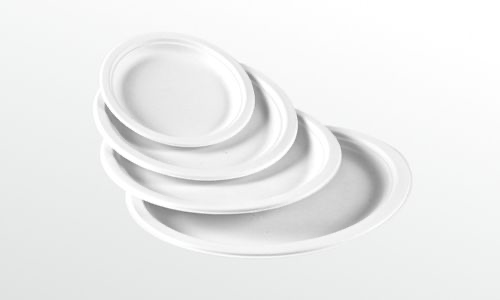
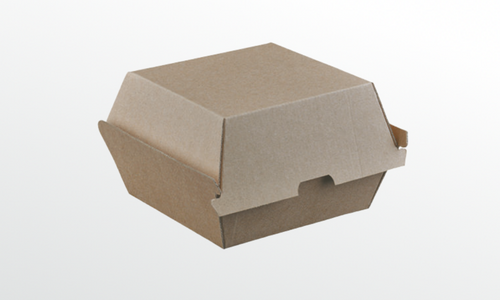
Sugarcane (also known as Bagasse)

Sugarcane or bagasse is one of the original sustainable packaging options, using sugarcane fibres leftover from farming. All our bagasse products are 100% home or commercially compostable.

Paper & Cardboard

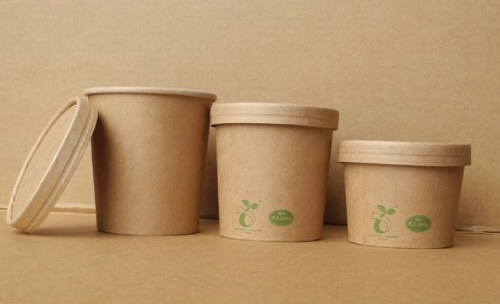
Unlined paper and cardboard cups, containers and trays are naturally biodegradable in home or commercial compost facilities.

Polylactic Acid (PLA)

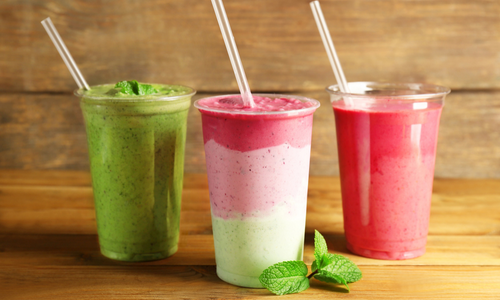
PLA is a compostable, plant-based bioplastic derived from corn. Our PLA containers and cups are perfect for food and drinks served cold or at room temperature, and are fully commercially compostable.

Cellulose

Cellulose

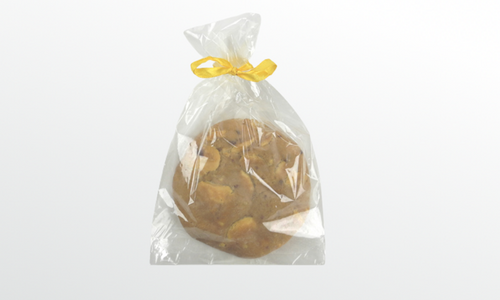
This plastic alternative is made from processing the natural cellulose fibres of plants, resulting in a sturdy alternative to plastic. Cellophane bags are food safe and compostable in home composts or commercial facilities.

Bamboo

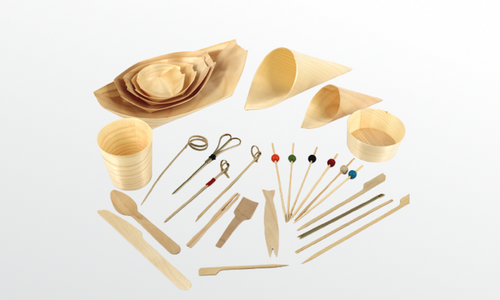
One of the fastest-growing plants in the world, bamboo is incredibly strong, even when its exterior fibres are turned into paper for packaging purposes. It’s abundant, renewable, safe and is both biodegradable and compostable.

Pete’s Packaging was one of the pioneers of eco-friendly packaging in New Zealand when we offered sugarcane options to forward-thinking Kiwi cafes and restaurants in the early 2000s.

Today, our range of eco-friendly packaging spans cups, glasses, plates, serving trays, utensils and more. We’ve seen a rapid increase in demand from both cafes and customers alike demanding eco-friendly packaging alternatives, and are constantly expanding our range to meet this demand while still offering a full range of foodservice packaging needs.

Get in touch